
The SATB2 Gene Trust UK was established to enhance the lives of those affected by SATB2-associated syndrome by providing emotional and educational support, and by raising awareness and supporting research
Our mission at SATB2 Gene Trust UK is to assist families in advocating for individuals diagnosed with SATB2 Associated Syndrome throughout the UK. We aim to promote awareness among medical teams and local professionals, advance understanding of the condition through research participation, and provide ongoing support to enrich the lives of individuals and their families on this challenging journey.
About us
SATB2 Gene Trust UK is a Not for Profit organisation that was established in 2019. The board consists solely of parents of children diagnosed with SATB2 syndrome.
Affiliates
We are Official Affiliates of the SATB2 Gene Foundation and share the same mission and values. We are proud to be working closely together them as well as our other global SATB2 affiliates to achieve the same goals.
American SATB2 Gene Foundation
Contact: Allison Kaczenski, Founder and President
French SATB2 Gene Foundation
Contact: Camille Gobin
https://www.associationfrancaisesatb2.org
Spanish SATB2 Gene Foundation
Contact: Maria Teresa Miralles
https://www.facebook.com/asociacionSATB2/
Meet the board
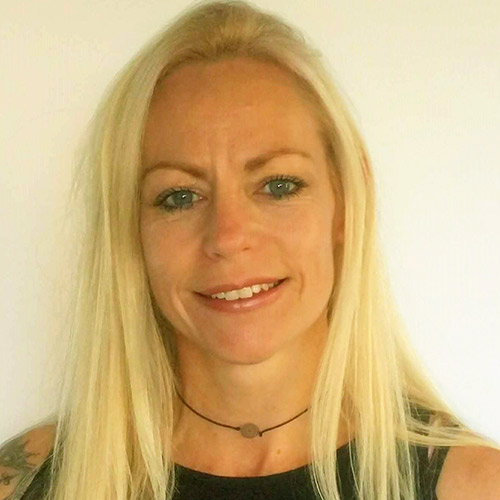
Maria Walters – Chair
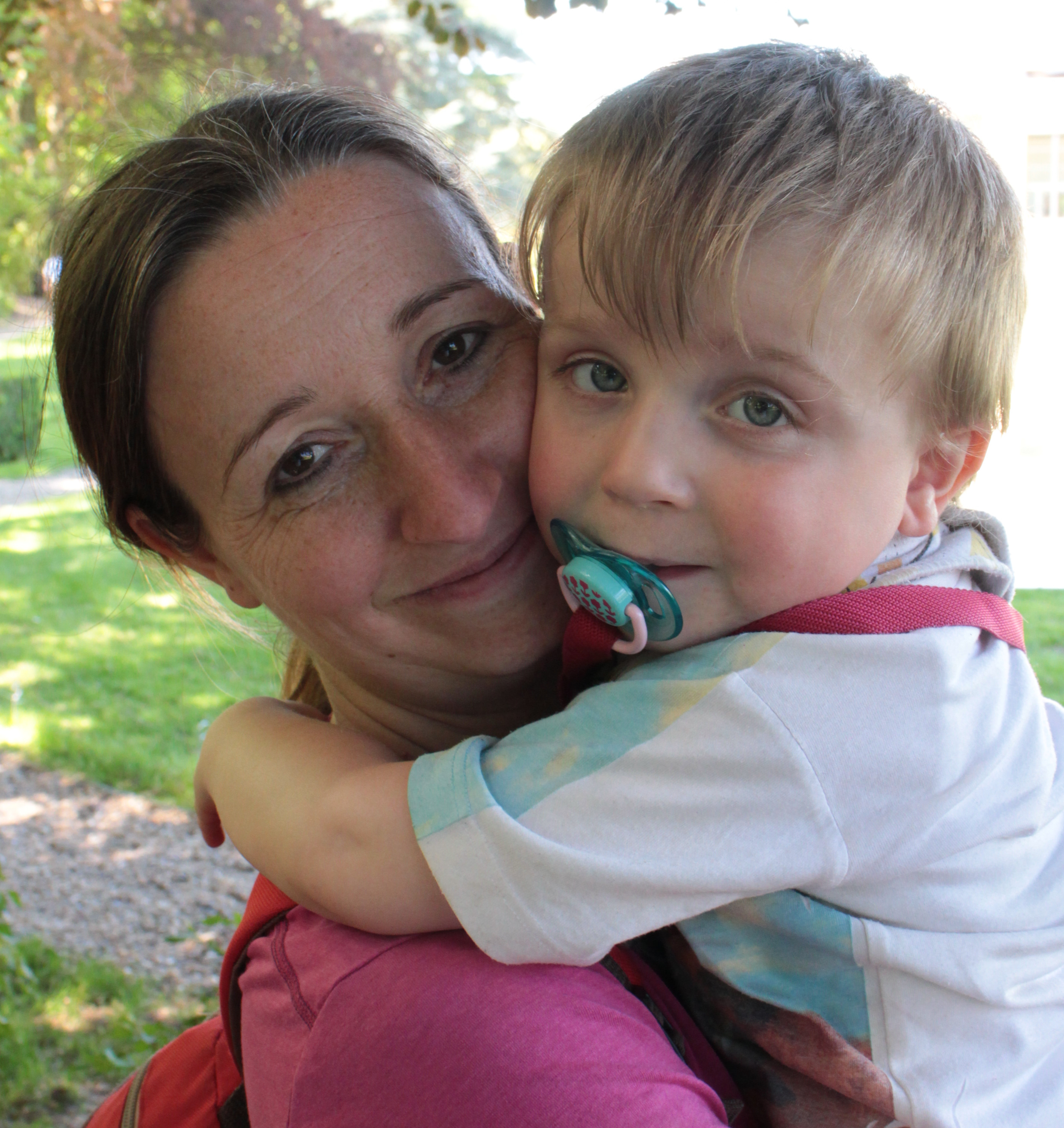
Cleo Ovenden-Hodges- Trustee
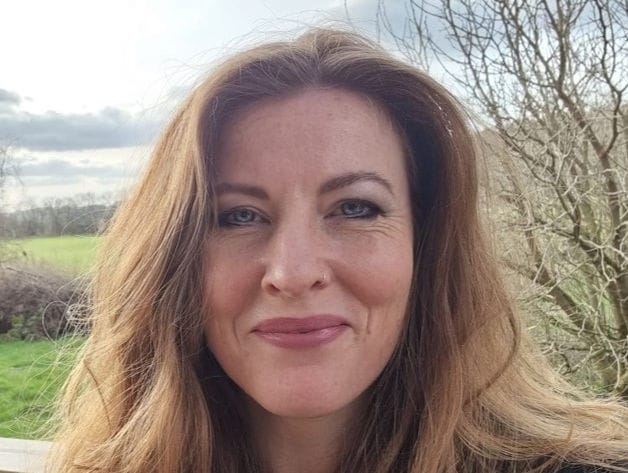
Emma Verity – Treasurer
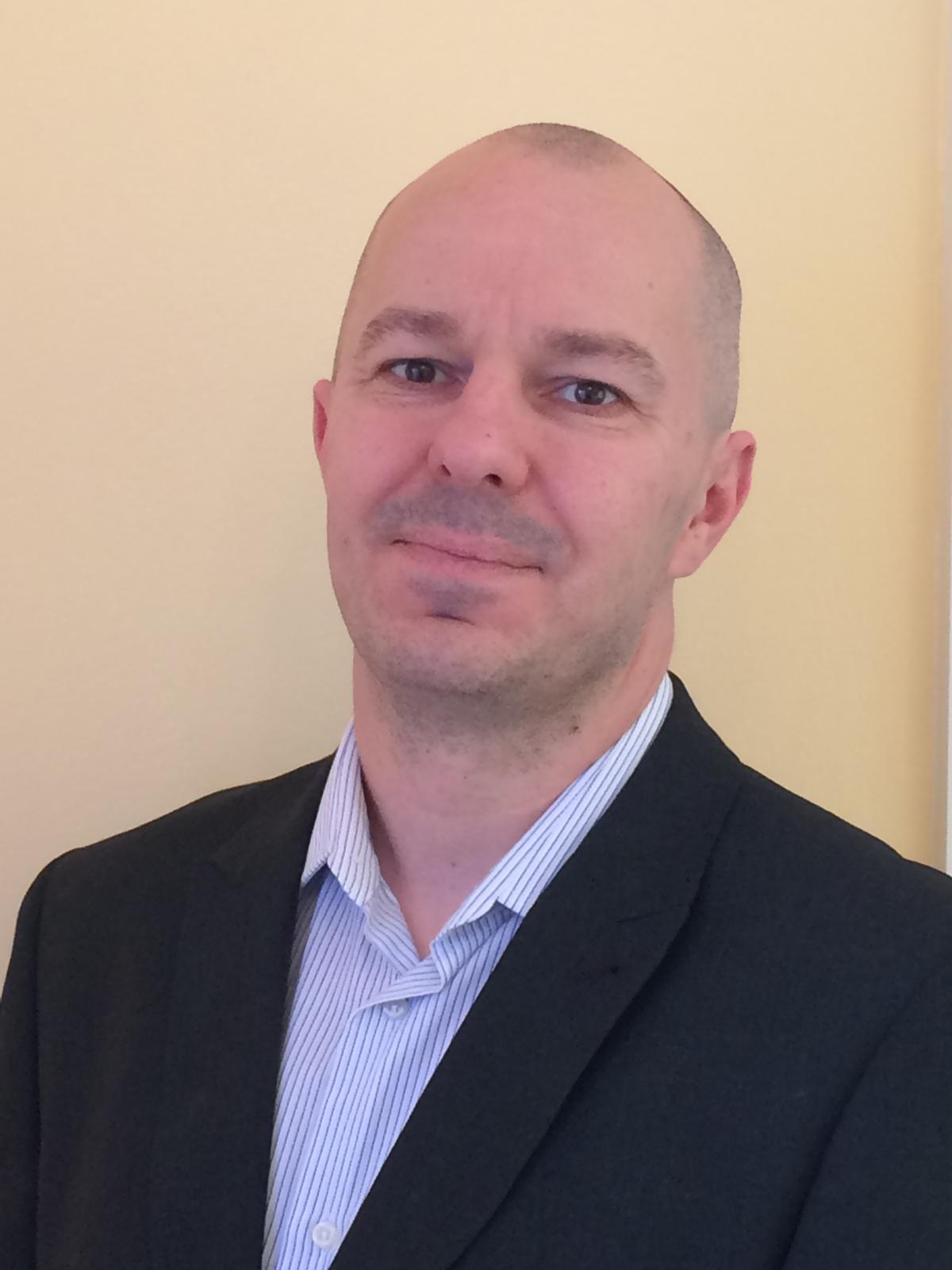
Martin Guscott – Trustee
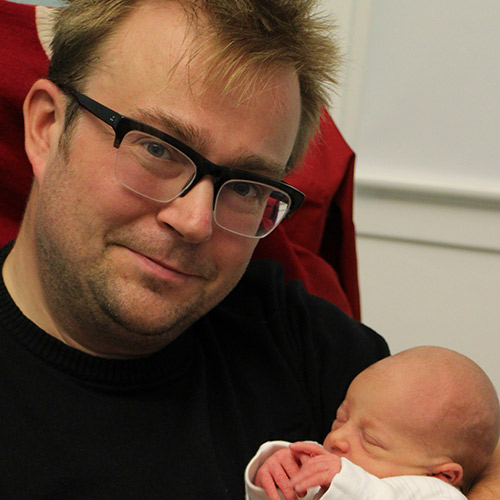
Edwin Hodges -Trustee

Annika Iantosca

Person Place Holder
With thanks,
The board would like to thank the massive efforts of all the previous Trustees and advisors who have helped get us to where we are today.
These are all Satb2 Families and their help and time has all been voluntary and much appreciated.
Gayle Reilly – Treasurer
Harjit Wells – Secretary
Paula Nixon – Trustee


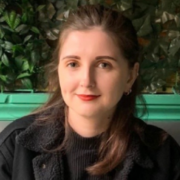
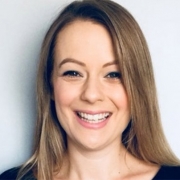
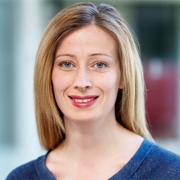
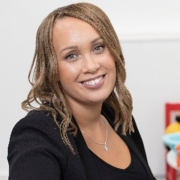
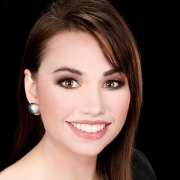 Ashlen Thomason, Ph.D., CCC-SLP, is a member of the outpatient speech pathology team at Arkansas Children’s Hospital. She is a graduate of the Arkansas Consortium for the Ph.D. in Communication Sciences and Disorders with a major research emphasis in stuttering and minor in cleft palate.
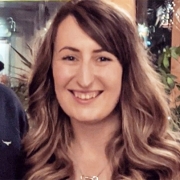
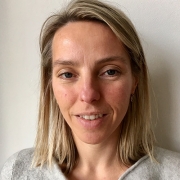 Drs. Barber Tinselboer is a physician for people with Intellectual Disabilities (ID). In the Netherlands, this is a medical specialty, created to provide better medical care to people with ID. Her work is comprised mostly of treating the comorbid conditions in people with ID like epilepsy, behavioural issues, psychiatric disorders and additional physical problems. She works at ‘s Heeren Loo in Apeldoorn, an organization that provides care, services and treatment for people with ID. She also has a son with SATB2-associated syndrome.
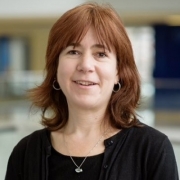 Dr. Jennifer Fish is an Assistant Professor at the University of Massachusetts Lowell (UML), where she teaches Developmental Biology and Comparative Vertebrate Embryology. Prior to arriving at UML, she trained at King’s College London and the University of California San Francisco. Dr. Fish has been researching the roles of SATB2 in development since 2008 using animal models of disease.
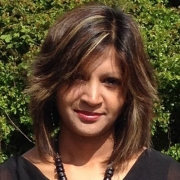 Dr Meena Balasubramanian completed her Paediatric training before undertaking specialist training in Clinical Genetics. Her MD is on atypical presentation of Osteogenesis Imperfecta (OI) obtained in 2012. She has been a Consultant in Clinical Genetics with a specialist bone genetics interest at Sheffield Children’s Hospital since 2012, and provides genetics input to the national OI service. She has led several projects focused on genetics of rare bone disorders and currently pursuing research projects focussed on identifying novel genomic approaches to rare bone disorders and exploring newer targets for therapy for these conditions.
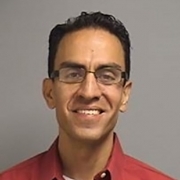 Dr Yuri Zarate is a Clinical Geneticist and an Associate Professor at the University of Arkansas for Medical Sciences and Arkansas Children’s Hospital. In 2014, Dr Zarate started a research project that led to a report with the first cohort of patients with SATB2-associated syndrome (SAS). From there, he established a strong-long lasting relationship with the support group for this rare condition, created the initial dedicated